Three Questions & a Short Tirade

2009-04-17-primer1

A red herring?

The danger that a nuclear-armed Iran would pose to the region and the world is directly related to these weapons. Iran may never actually deploy these weapons or even threaten to deploy them against her perceived enemies, but having them might make her feel freer to embark on a more aggressive and expansionist foreign policy, including providing support to a growing assortment of rogue regimes, sectarian militias, death squads and terrorist networks under the belief that her nuclear arsenal would shield her from any serious repercussions.

Continue reading “Three Questions & a Short Tirade”

The Pivot to Armageddon

caucasus-map

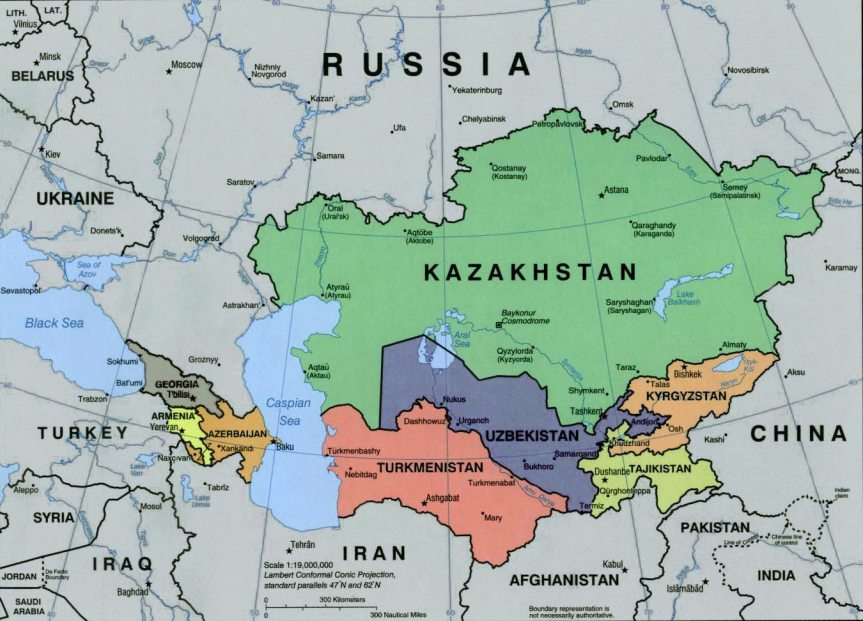
The theory that a pivot to Iran, sealed with an agreement regarding her nuclear program, will prevent the rise of a “Sino-Russo-Iranian condominium” in the Caspian Region and Central Asia have been around for many years, and, if we are to believe that they actually have a clear policy, this might indeed be what’s on the mind of President Obama and his trusted advisers, not to mention their myriad supporters in liberal think tanks and the halls of academia. Once reached, the deal will allow sanctions on Iran to be lifted, and this move, so the thinking goes, will gradually facilitate a rapprochement between Iran and the West, weaning her off of her growing reliance on Russia and China. Still, and while the theory can be made to sound compelling by its advocates, the rationale behind it is actually pretty lame if not downright delusional.

Continue reading “The Pivot to Armageddon”

Lebensraum & Implications

People who believe that they can afford to ignore this, that they don't have a responsibility to stop it, cannot build a better world. But this was only part of the price for the Iran Deal.
People who believe that they can afford to ignore this, that they don’t have a responsibility to stop it, cannot build a better world. But this was only part of the price for the Iran Deal.

[dropcap]T[/dropcap]he idea that Iran is entitled to have a sphere of influence in the Middle East ignores the wishes and aspirations of the majority population in the region. From a religious point of view, the majority of the population in the region is made up of Sunni Muslims, and most of those, while demonstrably religious, may not want to live under theocratic rule, especially when the version under consideration is premised on an extremist interpretation of Shiism. In terms of nationality, the majority population in Middle East is made up of Arabs, Turks and Kurds, and one of whom relish the prospect of Persian domination.

Continue reading “Lebensraum & Implications”