VP Joseph Biden addressing participants in the Washington Institute for Near East Policy’s Soref Symposium at the Mandarin Oriental Hotel in Washington, DC on April 301, 2015, 7:30 pm. (Photo by Ammar Abdulhamid)
According to Jo Biden, in his dinner remarks to participants in the Washington Institute’ Soref Symposium yesterday, Iran can enrich enough uranium to build several nukes within 2-3 months. The proposed deal with its leaders will prevent this development, he said, by rolling the clock back on some components, and allowing for inspections and for a breakout notice of at least one year.
“When nonviolence begins halfway through the war with the aggressor calling time out, it exposes itself as a ruse.” (The Atlantic, Nonviolence as Compliance)
Similarly, when calls emerge from certain quarters addressing “both sides” of a conflict and appealing for calm, even when one side has been using overwhelming violence from the get-go while the other remained committed to nonviolent tactics with few exceptions, we can all be sure that a ruse is in the work.
Maryland state troopers stand guard near a CVS pharmacy that was burned to the ground on April 27, 2015 during rioting after the funeral of Freddie Gray, April 28, 2015 in Baltimore, Maryland. (Andrew Burton/Getty Images)
The problem highlighted by the current riots in Baltimore and the earlier riots in Ferguson cannot be reduced to the casual observation that mostly black neighborhoods cannot be effectively policed by a mostly white police force. Due to its more intimate knowledge of the local communities, a mostly black police force can be as equally oppressive in its tactics if not more so, unless the real problems are addressed.
“Syria is our strategic province,” said Mehdi Taeb, the cleric in charge of the Revolutionary Guards’ Cyber Warfare Unit in February 2014.
Conflict in the Middle East will have consequences far beyond its borders, especially in Europe.
This is a very important article by Nicholas Blanford and can help us predict the future patterns of conflict in the region. The key quote in it for me, the one that explains how “geopolitical concerns” are understood by Iran’s leaders at this stage and, consequently, how other players are bound to understand them as swell, is this:
In February 2014, Mehdi Taeb, a senior Iranian cleric, underlined the importance of Syria to Iran in stark terms, saying it is a “strategic province for us.” “If the enemy attacks us and wants to take either Syria or [the Iranian province of] Khuzestan, the priority is to keep Syria,” he said. “If we keep Syria, we can get Khuzestan back too, but if we lose Syria, we cannot keep Tehran.”


 “When nonviolence begins halfway through the war with the aggressor calling time out, it exposes itself as a ruse.” (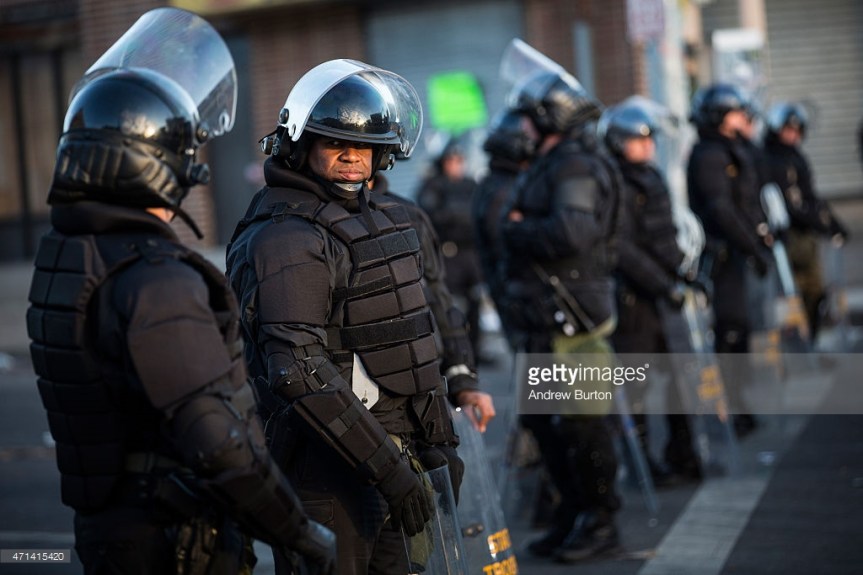

 The Ammar Abdulhamid Archive